Daily Tarot Reading
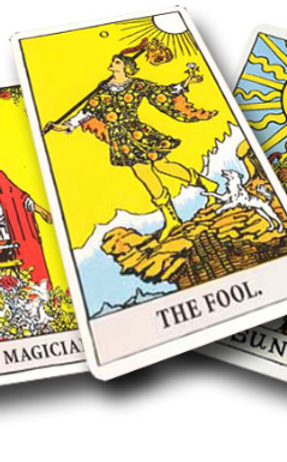
Drawing a single tarot card each day has become one of the simplest and most effective ways to build confidence with the deck. A daily reading isn't necessarily about predicting what will happen, but about encouraging reflection and helping you notice patterns that might otherwise go unnoticed. Even a few minutes each morning can gradually strengthen your understanding of the cards. In this guide, you'll learn how to do a daily tarot reading and make the most of this simple practice.
The Habit That Teaches You Tarot
If you asked experienced readers to name the single practice that taught them most, the daily card would win by a considerable margin. It takes four minutes, it needs no spread and it works whether you have read for a decade or opened your first deck yesterday. The reason it works is repetition in context, since meeting a card during an actual day teaches you far more than reading a paragraph about it. Over a year you will encounter most of the deck several times in circumstances you remember. That accumulated experience becomes your own set of meanings, written in your language and drawn from your life. No book can give you that. Everything else in tarot is optional and this one is close to essential. Start tomorrow morning rather than next week.
How to Do It
The method is deliberately simple so that it survives busy mornings. Shuffle briefly, ask what do I most need to be aware of today, and draw one card. Look at the image for thirty seconds before you recall any meaning, and describe out loud what you actually see. Then write two lines: what the card is and what you think it is saying. Do not consult a book at this stage, since forming your own impression is the entire point of the exercise. Keep the card somewhere visible during the day if that helps, or simply carry the impression. In the evening, add one line about what actually happened. The whole thing takes less time than making coffee.
Morning or Evening
Both timings work and they teach different things. A morning draw functions as a lens, giving you something to notice throughout the day and turning the card into a live question rather than a static meaning. An evening draw functions as a review, asking what today was actually about and often revealing something you missed. Some readers do both, drawing in the morning and reflecting at night on the same card. If you are learning, morning is generally better because it creates the anticipation that makes you pay attention. If your mornings are chaotic, an evening draw you actually do beats a morning draw you keep skipping. Consistency matters far more than timing. Choose whichever you will actually keep doing.

What to Write Down
The notebook is where the value accumulates and most people underuse it. Record the date, the card and two lines of interpretation, then leave space for the evening note. Add how you felt when you drew it, since your state colours interpretation more than most readers admit. If a specific detail in the picture caught your attention, write that too, because those details often turn out to be the meaning. Keep it short enough that you will actually do it every day, since an elaborate template gets abandoned within a fortnight. Use paper rather than an app if you can, as handwriting slows you down enough to think. After three months, read the whole thing back in one sitting. That single hour will show you how much you have learned.
When the Card Makes No Sense
Some mornings you will draw a card that seems to have nothing to do with anything. This is normal and it happens to everybody. Do not draw again, since redrawing until you get something comfortable is the fastest way to make the practice meaningless. Instead, write down that it does not connect and leave it. Very often the relevance appears by mid afternoon, and sometimes it becomes clear a week later. Occasionally it never does, which is also fine and worth recording honestly. The days when nothing connects are part of the data rather than failures. Resist the temptation to force an interpretation just to feel productive.
When You Draw Something Frightening
Sooner or later Death, The Tower or the Ten of Swords will turn up as your morning card and your stomach will drop. Nothing is going to happen to you because of a picture. These cards describe endings, sudden clarity and the conclusion of painful sequences, and in a daily context they usually point at something small: a project finishing, a realisation, a conversation that clears the air. Read them as information rather than as prophecy. If a card genuinely unsettles you, write down exactly what you are afraid of, because that fear is usually about your life rather than about the deck. Then carry on with your day. Readers who work through this early stop dreading half their deck. The frightening cards are usually the practical ones.
 |  |  |
|---|---|---|
 |  |  |
 |
Watching Patterns Over Months
The real payoff arrives after a few months when you read your notebook as a whole. You will notice cards that repeat far more often than chance suggests, and those repetitions are usually pointing at something ongoing. You will see which suit dominates your year, which often reveals where your attention has actually been living. You will find interpretations you made months ago that turned out to be accurate and others that were wishful. That feedback loop is the only reliable way to improve, since without it you never learn which of your instincts to trust. Mark the entries that proved right. Those are the ones teaching you how you read. Mark them and look for what they have in common.
Keeping It Sustainable
The main risk with a daily practice is that it grows until it collapses. Somebody starts with one card and four minutes, then adds a spread, then a ritual, then a longer journal entry, and within two months they have stopped entirely. Keep it small on purpose. If you miss days, simply resume rather than starting a fresh notebook or declaring the streak broken. Some readers take a week off every so often and return with more attention. Watch also for the practice becoming anxious, where you cannot begin the day until you have drawn and interpreted correctly. That is the point to put the deck down for a fortnight. A daily card should make your day slightly clearer rather than adding one more obligation to it.