Minor Arcana Meanings
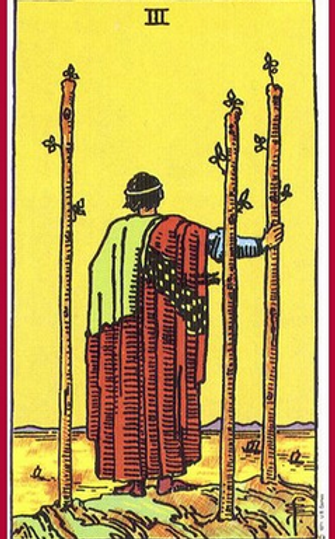
Fifty-six cards laid out by number rather than by suit, because that is the arrangement in which they actually make sense. The same stage in four different elements behaves four different ways, and seeing those four side by side teaches more than reading fourteen entries about any single suit.
The Fifty Six Cards of Daily Life
If the Major Arcana describe the weather systems of a life, the Minor Arcana describe the actual days. There are fifty six of them, divided into four suits of fourteen, and they handle the situations you generally have some ability to influence. Each suit runs from Ace through Ten and then continues with four court cards. A spread made entirely of Minors is usually telling you the matter is more in your hands than it feels. Beginners often dismiss these as the lesser cards, which is a mistake, since most readings consist mainly of them. They are also the easiest part of the deck to learn, because they run on a system rather than on memorisation. Learn the grid and forty cards arrive at once. That is the best return on ten minutes anywhere in tarot.
The Four Suits
Everything begins with knowing what each suit governs, and this takes about ten minutes to learn. Wands belong to fire and cover drive, ambition, creativity, work you feel passionate about and the energy to begin things. Cups belong to water and cover emotion, relationships, intuition and everything you feel rather than calculate. Swords belong to air and cover thought, communication, conflict, decisions and how your mind handles a situation. Pentacles belong to earth and cover money, work, health, home and everything physical and practical. When one suit dominates a spread, that dominance often matters more than any individual card. An entirely absent suit is equally informative. Ask what has gone missing from the situation.
What the Numbers Do
The second half of the grid works identically across all four suits, which is what makes forty cards learnable in an afternoon. Aces are pure beginnings and offers. Twos balance, pair or choose. Threes produce first tangible results. Fours stabilise, sometimes into rigidity. Fives disrupt whatever the Four established. Sixes restore, share or move on. Sevens assess, wait or deceive. Eights apply focused effort or bring matters to a head. Nines approach completion, for better or worse. Tens finish the cycle entirely, which is why they are the most extreme cards in each suit. Combine suit and number and Five of Swords becomes conflict and disruption in the mental realm before you look at anything else.

Aces Through Fives
The first half of each suit describes something being established and then tested. The Ace offers a beginning, held out in a hand from a cloud, and it always arrives from outside your planning. The Two introduces a second element, which means balance, partnership or a choice. The Three shows first results and often involves other people. The Four brings stability, and the deck is honest that stability can harden into something restrictive. The Five disrupts it, and the Fives are the most uncomfortable cards in the Minor Arcana across all four suits. Reading the sequence this way explains why the Five of Pentacles and the Five of Cups feel similar despite showing different scenes. The number carries the shape and the suit supplies the setting.
Sixes Through Tens
The second half describes recovery, effort and completion. The Six restores after the Five, bringing relief, generosity or movement away from difficulty. The Seven asks you to assess, wait or look more carefully, and it is the most variable number in the deck. The Eight applies concentrated effort or brings a situation to a head quickly. The Nine approaches completion and shows the near final state, which can be satisfaction or exhaustion depending on the suit. The Ten completes the cycle and represents the fullest expression of the suit, whether that is the family of the Ten of Pentacles or the collapse of the Ten of Swords. Notice that Tens always end something and open the door for a new Ace. Every suit is a loop rather than a line.
The Sixteen Court Cards
Each suit finishes with a Page, Knight, Queen and King, and these sixteen cause more confusion than the other forty combined. Read the rank as a stage of engagement rather than as social position. Pages are learning, curious and receiving news. Knights are acting and pursuing, often without much moderation. Queens hold and understand from the inside. Kings direct, decide and take responsibility outward. Combine rank with suit and you can construct any of the sixteen without memorising them individually. Each one can describe a person, an approach you are being asked to take or the atmosphere of a situation, and testing all three readings is the correct method.
 |  |  |
|---|---|---|
 |  |  |
 |
Why Illustrated Minors Changed Everything
It is worth knowing why modern tarot feels so readable compared to older decks. In the Tarot de Marseille and other historical patterns, the numbered Minor cards showed only the suit symbols arranged in a pattern, so the Five of Cups was five cups and nothing more. Reading those cards required memorised meanings and a strong grasp of number and suit theory. When Pamela Colman Smith illustrated the Waite deck in 1909, she gave every Minor card a full narrative scene. That single decision is why a beginner today can look at a picture and read it. It also means most modern books and courses assume illustrated Minors, which is worth remembering if you ever move to a Marseille style deck. That transition is a genuine second skill. Learn the illustrated version thoroughly before you attempt it.
How to Learn Them Efficiently
The fastest route through fifty six cards is to learn the system before the individuals. Spend a week on the four suits until you can name what each governs instantly. Spend a fortnight on the numbers, testing yourself by constructing meanings from scratch. Then work through one suit at a time, laying all fourteen cards in order and reading them as a single story from Ace to King. That story structure makes them stick, since each card follows logically from the one before. Add the courts last, using the rank and suit grid rather than sixteen separate descriptions. Draw daily throughout, because a card met in a real situation is learned permanently while a card read about is not. Context is what makes a meaning stick.