How to Shuffle Tarot Cards
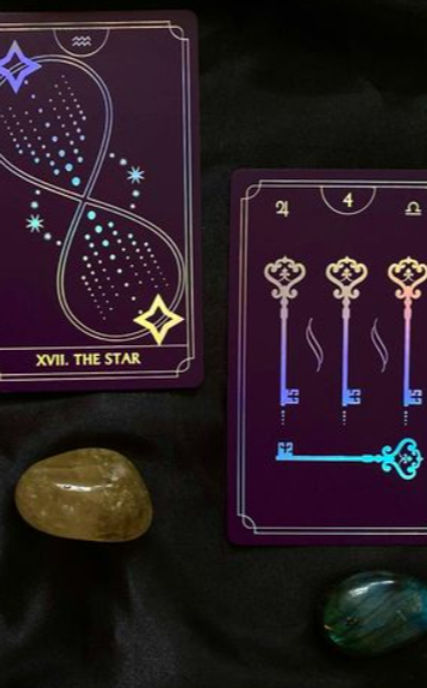
Shuffling a tarot deck is one of the first things every beginner learns, yet it's also one of the most misunderstood parts of the practice. Some readers follow personal rituals, while others simply focus on thoroughly mixing the cards before a reading. There isn't one universally correct method, and the best approach often depends on your comfort, the size of your deck, and your personal reading style. In this guide, you'll learn the most common ways to shuffle tarot cards, along with practical tips for keeping your deck well mixed and in good condition.
Why Shuffling Matters at All
Shuffling does two jobs at once and both of them are worth understanding. The obvious job is randomising the order, so that the cards you draw are not the ones sitting on top from your last reading. The less obvious job is what happens to you while your hands are busy: shuffling gives you a minute of physical activity in which your question settles and your attention narrows. Most readers find they arrive at the spread in a completely different state from the one they sat down in. That transition is doing real work regardless of what you believe about energy. It is also why rushing this step tends to produce muddled readings. Treat shuffling as part of the reading rather than as admin before the reading. The cards will be equally random either way, and you will not be in the same condition.
The Overhand Shuffle
Overhand is the method most tarot readers use and it is the gentlest on your cards. Hold the deck in one hand, lift a section from the back with the other, and let small packets drop into your palm until the section is used up. Repeat that until the deck feels properly mixed, which usually takes considerably more repetitions than people expect. The advantage is that tarot cards are larger and more fragile than playing cards, and this method puts almost no stress on them. It also lets you shuffle slowly, which suits the reflective pace of a reading. You can pause mid shuffle to think without dropping anything. If you are working with a large or oversized deck, overhand is often the only comfortable option. Practise it slowly until your hands stop dropping packets.
The Riffle and Why to Be Careful
The riffle shuffle, where you split the deck and interleave the two halves with a bridge, is fast and thorough. It is also the quickest way to ruin a tarot deck. Tarot cards are usually taller, thinner and less durable than playing cards, and bending them repeatedly damages the edges and eventually cracks the finish. If you learned to shuffle playing cards this way, the habit will cost you decks. Should you want the mixing quality of a riffle without the damage, split the deck and push the halves together flat on the table rather than bridging them upward. That gives you a genuine interleave with far less stress on the cardstock. Some readers happily riffle and simply accept replacing decks. It is your deck, and it is worth knowing the trade.

Washing the Cards on the Table
Spreading the cards face down across a table and swirling them around with both hands is sometimes called washing, and it is the most thorough method available. It produces genuine randomisation quickly, it puts no bending stress on the cards at all, and many readers find the physical contact settles them better than anything else. Gather the cards back into a pile afterwards and square them up. This method is particularly good when a deck feels stuck or when you are starting a completely new subject. It also works well if you have hand or joint problems that make conventional shuffling painful. The only requirement is a clean surface large enough to work on. Do it slowly rather than briskly and it becomes a small ritual in itself. Many readers use this method exclusively and never touch another one.
How Long to Shuffle
There is no correct number of shuffles, and readers who insist otherwise are describing their own habit rather than a rule. Some settle on a fixed count such as three or seven because a fixed count removes the decision. Others shuffle until something changes, which usually means until the movement starts feeling repetitive rather than purposeful. What matters practically is that the deck is genuinely mixed, which takes longer than most beginners think. If the same cards keep appearing across consecutive readings, shuffle for considerably longer before concluding the deck is trying to tell you something. Watch also for the opposite problem, where you shuffle for five minutes because you are nervous about the answer. Endless shuffling is usually avoidance wearing a ritual costume. Stop when the question feels settled rather than when you feel brave.
Cutting the Deck
Cutting is optional and it is worth having a consistent approach. The common method is to place the deck down, cut it into two or three piles with your non dominant hand, then restack them in a different order. Some readers cut toward themselves for readings about their own life and away for other people, and some simply cut once and move on. If you like the idea of using the cut to select a card, turn over the card at the cut point and treat it as a significator or theme for the reading. Whatever you choose, keep it the same every time. The value of a cut is not in the mechanics, it is in giving you a clear signal that shuffling has finished and drawing is about to begin. Pick a method today and stop reconsidering it. Consistency is what turns a habit into a signal.
 |  |  |
|---|---|---|
 |  |  |
 |
Cards That Jump Out
Sooner or later a card will fall out of the deck while you shuffle, and you need a rule ready. Some readers treat jumpers as important messages and read them alongside the spread. Others put them straight back, on the reasonable grounds that a dropped card usually means clumsy hands. Both positions are defensible and the important thing is deciding in advance rather than choosing based on whether you like the card. A middle approach works well: set jumpers aside, complete your spread as planned, then read them at the end as additional commentary. If cards are constantly falling out, the honest answer is usually your shuffling technique rather than the universe. Try overhand or washing instead. A technique problem is far more likely than a message.
Reversals and Shuffling for Others
Whether cards appear upside down depends entirely on how you shuffle, so decide what you want before you build the habit. If you want reversals, rotate half the deck occasionally or turn a section as you shuffle, and washing on the table produces them naturally. If you do not want them, keep the deck oriented and simply turn any reversed card upright as you lay it out. Neither choice is more advanced and plenty of professional readers work exclusively upright. When you read for somebody else, you can shuffle yourself, hand them the deck to shuffle, or ask them to cut. Letting the other person handle the cards tends to help them feel involved in the reading. Cleanse or simply reshuffle afterwards if you prefer your deck to stay yours. Whatever you decide, apply the same rule to everybody.